Understanding the Increase Cost Icon: A Practical Tool for Visual Communication in Web Design
In today’s visually driven digital world, icons play a crucial role in conveying information quickly and effectively. Among the many icons used in web design, templates, and infographics, the Increase Cost Icon stands out as a simple yet powerful visual symbol. Whether you're designing a financial dashboard, a budgeting tool, or an investment-related presentation, this monochrome icon offers a clear and intuitive way to represent rising costs or financial growth.
What Is the Increase Cost Icon?
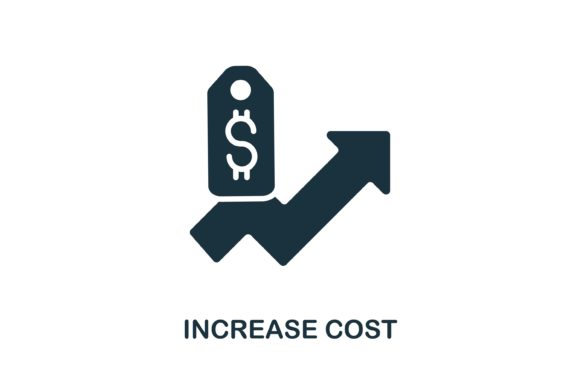
The Increase Cost Icon is part of a broader investment collection of vector graphics designed for ease of use and clarity. It typically features a simple upward arrow or graph line, symbolizing an increase in value or expenditure. This icon is commonly delivered in both EPS and JPG formats, making it versatile for a wide range of design applications. Its monochrome style ensures it integrates seamlessly into minimalist and professional designs without distracting from the core message.
Challenges and Needs in Financial Communication
One of the biggest challenges in presenting financial or investment data is clarity. Users often struggle with understanding complex charts or lengthy explanations. In such cases, a well-designed icon can bridge the gap between data and comprehension. The Increase Cost Icon addresses this need by offering a universally recognized visual cue that communicates rising costs or values without the need for lengthy descriptions.
For example, a financial analyst creating a report on inflation trends may find that using this icon next to key statistics helps readers immediately grasp the direction of cost changes. Similarly, a website designer working on a personal finance app might use the icon to highlight rising subscription fees or investment returns.
How the Increase Cost Icon Adds Value
The Increase Cost Icon is more than just a visual element—it's a functional tool that enhances user experience and improves information retention. Here’s how it can help:
- Improves Visual Hierarchy: By using icons strategically, designers can guide users' attention to important data points.
- Enhances Readability: Icons break up text-heavy content and make complex financial reports more digestible.
- Supports Multilingual Audiences: Visual symbols transcend language barriers, making them ideal for global platforms.
Because the icon is available in EPS format, it is fully scalable and editable, allowing designers to customize its size, color, and integration without loss of quality. This flexibility makes it a go-to resource for web developers, graphic designers, and content creators alike.
Practical Applications Across Industries
The versatility of the Increase Cost Icon means it can be applied across a variety of digital and print contexts. Some of the most common applications include:
- Financial Dashboards: Use the icon to indicate rising expenses or investment growth in real-time analytics platforms.
- Educational Infographics: Incorporate it into slides or charts explaining economic trends or personal finance principles.
- Mobile and Web Apps: Integrate the icon into expense tracking or budgeting apps to visually represent cost fluctuations.
- Marketing Materials: Add the icon to promotional content for investment products or financial services to highlight growth potential.
Each of these scenarios benefits from the icon’s simplicity and clarity. For instance, a budgeting app could use the Increase Cost Icon next to a category where the user has exceeded their planned spending, offering a quick visual alert without the need for additional text.
Considerations for Effective Use
While the Increase Cost Icon is a powerful tool, its effectiveness depends on how it’s implemented. Here are some practical considerations:
- Context is Key: Always ensure the icon is used in a way that aligns with the surrounding content. Misuse can lead to confusion.
- Consistency in Design: Use the icon alongside other graphics from the same collection to maintain visual harmony.
- Accessibility: Pair the icon with text or alt descriptions to ensure it is accessible to users with visual impairments.
- Color Coding: While the icon is monochrome by design, adding strategic color in certain contexts can enhance its communicative power.
For example, a financial news website might pair the icon with a red color scheme to emphasize negative cost increases, while a stock market platform might use green to indicate positive growth. The flexibility of the Increase Cost Icon allows for such customization without compromising its clarity.
Different Users, Different Approaches
Designers and developers approach the use of the Increase Cost Icon in different ways, depending on their goals and audiences. A UX designer working on a personal finance app might use the icon sparingly to highlight key trends, while a data visualization specialist may incorporate it into complex charts and graphs.
Freelance designers and small business owners often appreciate the icon’s easy-to-edit nature, especially when working with tight deadlines or limited resources. The ability to open and modify the EPS file ensures that even those without advanced design skills can integrate the icon effectively into their projects.
For educators and financial advisors, the icon serves as a teaching aid. It can be embedded in handouts, presentations, or online learning modules to help students or clients understand economic trends in a visual and engaging way.
Final Thoughts
The Increase Cost Icon may seem like a small element in the grand scheme of web and graphic design, but its impact is significant. As a symbol of rising costs or financial growth, it provides clarity, improves user experience, and enhances visual storytelling. Whether you're building a financial dashboard, designing an infographic, or developing a budgeting app, this monochrome icon is a valuable asset that supports both functionality and aesthetics.
With its vector-based EPS file and JPG compatibility, the icon is easy to use and adapt to various design needs. Its simplicity ensures it remains effective across platforms and audiences, making it a must-have resource for any designer or developer focused on clear, impactful communication.