Cisgender Icon from LGBT Collection: Practical Integration for Design and Communication Projects
Visual communication plays a critical role in modern design, especially when addressing diverse audiences. The Cisgender Icon from LGBT Collection serves as a clear, respectful, and universally recognizable symbol within broader inclusivity efforts. Whether used in templates, web design, or infographics, this icon contributes to a more informed and welcoming visual language. Understanding how to implement it effectively ensures your message remains both accurate and accessible.
Understanding the Cisgender Icon in Context
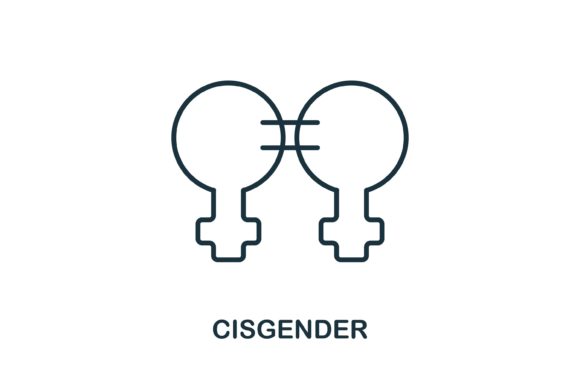
The Cisgender Icon from LGBT Collection represents individuals whose gender identity aligns with the sex they were assigned at birth. As part of a broader set of symbols representing the LGBT community, this icon is often used to promote visibility, inclusion, and understanding. It’s typically designed with simplicity in mind, making it versatile for use across digital and print media.
Designers, educators, and communicators frequently integrate this icon into projects that aim to reflect diversity and inclusion. Its clean, vector-based format ensures it scales well across platforms without losing clarity, which is essential for maintaining a professional and consistent appearance.
How the Cisgender Icon Fits Into Design Workflows
Incorporating the Cisgender Icon from LGBT Collection into your workflow can happen at various stages—before, during, or after a project. Early integration ensures the icon aligns with the overall message and design language. During the design phase, it becomes part of a broader visual system that may include other inclusivity symbols. Post-design, it supports long-term brand consistency and accessibility standards.
- Before Design: Consider the context of your project. Is the icon being used in educational material, a website interface, or an infographic? Knowing your audience and purpose helps determine placement and visual emphasis.
- During Design: Use the icon as part of a cohesive set. If you're working with other symbols from the LGBT collection, ensure alignment in style, color, and size for a unified look.
- After Design: Maintain a library of approved icons for reuse. This promotes consistency across branding materials and reduces the need for repeated sourcing or editing.
Using the Icon Across Different Formats
One of the advantages of the Cisgender Icon from LGBT Collection is its format flexibility. Delivered as both EPS and JPG files, it can be used in a variety of software environments. Vector formats like EPS are ideal for scalable applications such as logos, illustrations, and responsive web elements. JPG versions are useful for quick insertion into presentations, social media graphics, or printed materials.
For web developers and UI designers, embedding the icon into a website or application can enhance inclusivity in user profiles, settings, or educational sections. For educators and content creators, integrating the icon into slides or infographics supports inclusive curriculum design and visual storytelling.
Compatibility and Integration with Other Tools
This icon works seamlessly with most design and publishing platforms. Whether you're using Adobe Illustrator, Figma, Canva, or PowerPoint, the Cisgender Icon from LGBT Collection can be easily imported, resized, and customized. Its vector format allows for color adjustments and stylistic modifications to match your brand or design system.
When working with other icons or visual assets, ensure compatibility in terms of line weight, visual style, and file resolution. Consistency across all visual elements helps maintain a professional and cohesive appearance, especially when presenting to clients or publishing public-facing materials.
Practical Tips for Implementation
Here are some actionable steps to help you integrate the Cisgender Icon from LGBT Collection effectively into your work:
- Organize your icon library: Store the icon in a centralized folder with other inclusivity-related graphics. This makes it easier to locate and apply across projects.
- Test for clarity: Ensure the icon is legible at various sizes, especially when used on mobile interfaces or printed materials.
- Pair with clear labels: Icons alone may not always convey meaning effectively. Use them alongside text or tooltips to ensure clarity for all users.
- Maintain visual consistency: Match the icon's color and style with your existing design system to avoid visual dissonance.
- Review accessibility standards: If used on a website or app, verify that the icon meets WCAG guidelines for contrast and readability.
Long-Term Use and Branding Considerations
Using the Cisgender Icon from LGBT Collection consistently over time contributes to stronger brand recognition and trust. Organizations that prioritize inclusivity benefit from a visual identity that reflects their values. As your brand evolves, revisit how and where the icon is used to ensure it continues to align with your messaging and audience needs.
Consider creating internal design guidelines that outline how to use the icon across different platforms. This helps maintain consistency, especially when multiple team members are involved in content creation or design decisions.
Conclusion: Enhancing Communication Through Visual Clarity
The Cisgender Icon from LGBT Collection is more than a graphic—it's a tool for promoting visibility, respect, and understanding. Whether you're a designer, educator, marketer, or developer, integrating this icon thoughtfully into your projects enhances both user experience and message clarity. By understanding its purpose, format, and implementation strategies, you can ensure it supports your goals while maintaining visual integrity and inclusivity standards.
As you move forward with your design or communication projects, remember that the right visuals—like the Cisgender Icon from LGBT Collection—can make a meaningful difference in how your message is received and understood.