Exploring the Pulmonology Icon from Medical Collection: Design, Use, and Practical Applications
Understanding the Pulmonology Icon in Medical Visual Communication
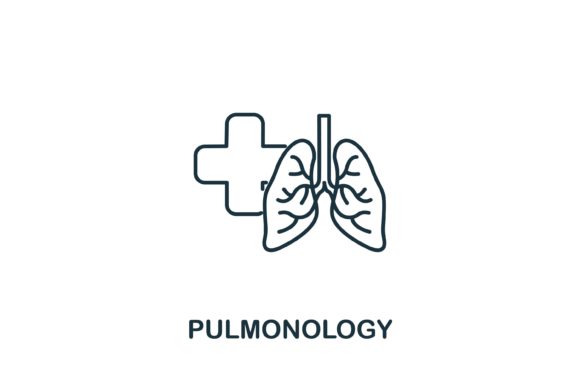
In the realm of medical design, visual clarity and precision are paramount. The Pulmonology Icon from Medical Collection serves as a vital graphical element that represents respiratory health and lung-related medical services. This icon, often depicted as a stylized lung or breathing apparatus, is a fundamental component in conveying specialized medical information quickly and effectively.
Designed as a simple line element, the pulmonology symbol is crafted to be universally recognizable. Whether used in digital platforms, print materials, or educational infographics, this icon helps bridge language barriers and supports intuitive understanding of content related to pulmonary care.
Design Characteristics of the Pulmonology Icon
The Pulmonology Icon from Medical Collection is typically created using clean vector graphics. This format ensures scalability without loss of quality, making it suitable for a wide range of applications—from mobile app interfaces to large-format posters. The icon is available in both EPS and JPG formats, allowing for easy editing and integration into various design workflows.
- Vector Format (EPS): Ideal for high-resolution printing and scalable designs.
- Raster Format (JPG): Suitable for web use and quick placement in digital documents.
Its minimalist design ensures that it remains unobtrusive while still being informative. The simplicity of the line art allows for easy customization, enabling designers to match brand colors or thematic palettes without compromising recognizability.
Practical Applications Across Industries
One of the most compelling aspects of the pulmonology icon from medical collection is its versatility. It is not limited to healthcare websites or academic publications; rather, it finds relevance across multiple sectors:
- Healthcare Websites: Used to categorize services such as asthma management, COPD treatment, or pulmonary rehabilitation.
- Educational Infographics: Helps explain respiratory anatomy and disease progression in a visually engaging way.
- Medical Apps: Serves as a navigation symbol for lung-related features or diagnostic tools.
- Corporate Health Programs: Incorporated into wellness dashboards to represent respiratory fitness or air quality monitoring.
For instance, a health-tracking app may use the pulmonology symbol to denote a section dedicated to breathing exercises or lung capacity tests. Similarly, a hospital's website might use the icon to guide users toward pulmonology departments or related services.
Advantages of Using Standardized Medical Icons
Standardized medical icons like the pulmonology icon from medical collection offer several benefits:
- Consistency: Ensures a unified visual language across different platforms and materials.
- Efficiency: Saves time for designers who can use pre-designed, high-quality graphics.
- Professionalism: Conveys a sense of credibility and attention to detail.
- Accessibility: Supports users with varying levels of literacy or language proficiency.
These icons are especially valuable in multilingual environments where textual explanations may not be sufficient. A well-designed icon can eliminate confusion and streamline user experience, whether in a mobile health app or a patient information leaflet.
Customization and Integration in Design Projects
Designers often need to tailor icons to match specific branding or contextual needs. The Pulmonology Icon from Medical Collection is highly adaptable due to its vector format. With editing tools like Adobe Illustrator or free alternatives such as Inkscape, users can adjust colors, stroke thickness, and even combine the icon with other elements to create custom illustrations.
For example, a website redesign project focusing on respiratory wellness might incorporate the pulmonology icon into a larger set of medical graphics. It could be paired with icons representing heart health, oxygen therapy, or environmental health to create a cohesive visual narrative around holistic pulmonary care.
Choosing the Right Format: EPS vs. JPG
When working with the pulmonology icon from medical collection, it's important to understand the strengths of each file format:
EPS (Encapsulated PostScript): Best for print, illustrations, and scenarios where scalability is essential. EPS files retain quality at any size, making them ideal for logos, signage, and detailed infographics.
JPG (Joint Photographic Experts Group): More suitable for digital use, especially on websites and in presentations. While it doesn’t scale as well as EPS, it offers smaller file sizes and is widely compatible with image editors and web platforms.
Designers should choose the format based on the intended use. For a responsive website, JPG may be more practical. For a printed brochure or a large-scale banner, EPS is the better choice.
Use Cases in Educational and Research Settings
Medical educators and researchers frequently rely on visual aids to enhance understanding. The pulmonology icon from medical collection is particularly useful in slideshows, research posters, and instructional diagrams. It can be used to represent data points related to lung function, illustrate case studies, or highlight key concepts in lectures.
For example, in a presentation on air pollution and respiratory disease, the icon could be used to denote sections discussing lung exposure, capacity reduction, or inflammation. In a research poster, it might accompany charts or graphs to indicate the focus area of the study.
Considerations for Effective Use
While the pulmonology icon from medical collection is versatile, there are several best practices to follow for optimal results:
- Maintain Visual Consistency: Ensure the icon matches the style of other graphics in the project.
- Use Appropriate Sizing: Avoid scaling the icon too small, which can reduce clarity.
- Pair with Clear Labels: Icons should support, not replace, textual information.
- Respect Licensing: Verify usage rights, especially for commercial projects.
Additionally, consider the audience's familiarity with medical icons. While professionals may immediately recognize the symbol, general audiences might benefit from brief explanations or tooltips in digital contexts.
Conclusion
The Pulmonology Icon from Medical Collection is more than just a graphic—it is a tool that enhances communication, supports user navigation, and enriches visual storytelling in medical and health-related contexts. Whether you're designing a website, creating educational materials, or developing a mobile health application, incorporating this icon can significantly improve the clarity and professionalism of your content.