Choosing the Right Healthy Lifestyle Icon: Practical Tips to Avoid Common Mistakes
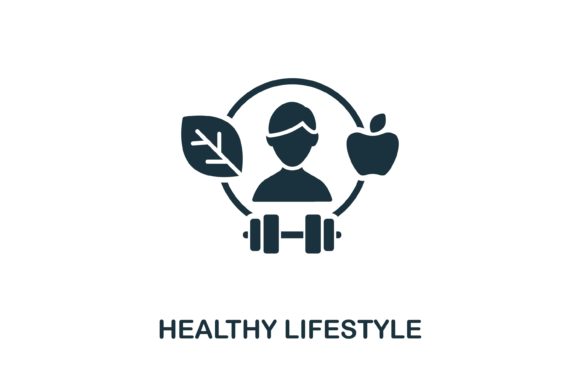
When designing web templates, infographics, or marketing materials, the Healthy Lifestyle Icon plays a surprisingly important role. It communicates ideas quickly, enhances visual appeal, and supports your message about wellness and balance. Whether you're a blogger, small business owner, or graphic designer, selecting and using the right Healthy Lifestyle Icon can make a big difference in how your content is received.
What Is a Healthy Lifestyle Icon?
A Healthy Lifestyle Icon is a simple, symbolic image used to represent concepts like fitness, nutrition, mental well-being, and healthy living. These icons are commonly used in digital design, presentations, and print media to simplify complex ideas and guide the viewer’s attention. They are usually available in vector formats like EPS or as high-quality JPG files, making them easy to scale and edit for different applications.
Many creators choose these icons for their versatility and clean aesthetic. However, not all icons are created equal, and some common mistakes can lead to poor design choices, wasted time, or ineffective communication.
1. Overlooking File Format Compatibility
One of the most frequent errors is downloading a Healthy Lifestyle Icon without checking the file format. While EPS files are ideal for vector editing in programs like Adobe Illustrator, JPG files are better suited for quick use in platforms like Canva or PowerPoint. Choosing the wrong format may limit your ability to resize or edit the icon without losing quality.
Better approach: Always confirm the format you need before downloading. If you plan to scale the icon for print or large banners, go for EPS. For web or social media use, JPG may be sufficient.
2. Ignoring Style Consistency
Icons that don’t match the visual style of your website or presentation can disrupt the flow of your design. For example, mixing flat design icons with outline-style graphics can make your content look disjointed and unprofessional.
Better approach: Choose Healthy Lifestyle Icons that align with your existing design system. If you're using a minimalist theme, stick to simple line icons. For a more vibrant look, opt for icons with color fills or gradients.
3. Failing to Check Licensing
Some icons come with usage restrictions, especially if downloaded from free stock sites. Using a Healthy Lifestyle Icon without verifying the license can lead to legal issues or unexpected costs later on.
Better approach: Always read the terms of use. If you're designing for commercial use, make sure the icon is licensed for that purpose. Premium icon sets often include clear licensing and better support.
4. Choosing Complexity Over Simplicity
While detailed icons may look impressive at first glance, they can become cluttered when scaled down or used in infographics. A Healthy Lifestyle Icon should be instantly recognizable, even at small sizes.
Better approach: Prioritize clarity and simplicity. A clean, well-defined icon communicates more effectively than one with excessive detail.
How These Mistakes Impact Your Work
Making the wrong choice when selecting or applying a Healthy Lifestyle Icon can affect more than just aesthetics. Poorly chosen icons may:
- Reduce the clarity of your message
- Lower the perceived professionalism of your brand
- Increase design time due to compatibility issues
- Lead to legal complications from improper licensing
- Decrease user engagement in digital content
These issues can be especially frustrating for entrepreneurs and marketers who rely on strong visuals to connect with their audience.
Check the Source and Quality
Not all icon providers are the same. Look for reputable platforms that offer high-quality, well-structured EPS and JPG files. Premium marketplaces often provide better support, clearer licensing, and more consistent design styles.
Test Before You Commit
If possible, preview the Healthy Lifestyle Icon in your actual design before finalizing your purchase or download. This helps you assess how well it integrates with your layout and color scheme.
Think About Scalability
Vector formats like EPS maintain quality at any size, making them ideal for logos, banners, and print materials. Raster images like JPG can become pixelated when enlarged, so use them wisely.
Consider the Context
Choose icons that clearly represent the message you're trying to convey. For example, a running shoe icon might work well in a fitness blog, while a leaf or water droplet might better suit a wellness infographic.
What to Check Before Downloading or Buying
Before using a Healthy Lifestyle Icon, take a moment to verify the following:
- File format: Is it compatible with your design tools?
- Licensing: Can you use it for personal or commercial purposes?
- Style: Does it match your brand’s visual identity?
- Clarity: Is it readable at different sizes?
- Customizability: Can you edit colors or shapes if needed?
By asking these questions ahead of time, you can avoid unnecessary revisions and ensure your design communicates effectively.
Final Thoughts
The Healthy Lifestyle Icon is more than just a decorative element—it’s a tool for communication. When chosen wisely, it enhances your message, improves user experience, and strengthens your visual brand. Avoiding common mistakes in selection, format choice, and application can save you time, money, and frustration.
Whether you're creating a wellness website, designing an infographic, or building a presentation, take a moment to evaluate your icon choices with care. A thoughtful approach will help your content shine and ensure your audience stays engaged and informed.