Understanding Electrocardiogram and Its Design Use
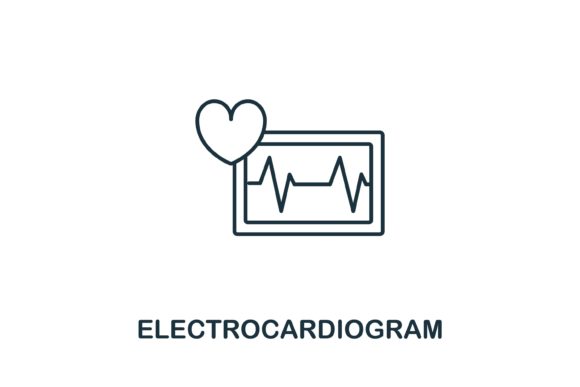
An electrocardiogram, commonly known as an ECG or EKG, is a medical test that records the electrical activity of the heart. It's used to detect and diagnose heart conditions by showing how the heart's rhythm and electrical signals behave over time. Beyond its clinical importance, the electrocardiogram has also become a widely recognized visual symbol, often used in health-related design projects, infographics, and digital templates.
The waveform pattern of an ECG is instantly recognizable—peaks and valleys drawn in a continuous line. This visual simplicity makes it a popular choice for designers working on health-themed content. Whether you're creating a medical presentation, a wellness app, or a patient education brochure, an electrocardiogram icon can add clarity and visual appeal.
Why Different People Care About Electrocardiogram Design
For beginners in design or healthcare education, an ECG icon is a helpful visual aid. It simplifies complex medical concepts and makes information more digestible. For web designers and graphic artists, the ECG symbol offers a clean, modern look that fits well in responsive layouts and data visualizations. Educators might use it to illustrate heart function in biology classes, while entrepreneurs building health tech startups may incorporate it into branding materials or app interfaces.
Small business owners in the wellness or fitness industry might use ECG graphics to enhance marketing materials. Meanwhile, bloggers and content creators may include ECG visuals to add credibility and visual interest to health-related articles or videos.
Using Electrocardiogram Graphics in Design
Whether you're a designer or a non-designer, having access to an easy-to-edit electrocardiogram icon is valuable. Most design assets come in formats like EPS and JPG, which are compatible with a wide range of software. Vector formats like EPS allow for scalable, high-quality graphics that maintain clarity at any size. JPG files are ideal for quick web use or print layouts.
If you're new to design tools, look for icons that are labeled clearly and come with usage instructions. Many ECG icons are built for simplicity—just drag, drop, and customize. For those with more experience, editable vector files offer flexibility in color, size, and layout integration.
Practical Examples for Different Users
- Beginners: Use an ECG icon in a simple infographic explaining heart health basics. Pair it with short text and bullet points to keep the message clear.
- Web Designers: Integrate the ECG symbol into a dashboard UI for a health tracking app. Use it as a visual indicator next to heart rate data.
- Educators: Insert the icon into a slide deck explaining cardiac rhythms. Combine it with animation to show how the heart's electrical system works.
- Bloggers: Add an ECG graphic to a post about stress management or heart disease prevention. Use it as a visual anchor for key points.
- Small Business Owners: Feature the ECG symbol in a clinic’s website header or printed brochures to reinforce a professional, health-focused brand identity.
Choosing the Right Electrocardiogram Icon
When selecting an ECG icon, consider your end goal and the tools you use. If you're designing for print, vector files (like EPS) are best for maintaining quality at any scale. For web use, JPG files offer fast loading and broad compatibility. Always check licensing to ensure the icon can be used for your intended purpose—whether personal, educational, or commercial.
Designers should look for icons that are layered and labeled for easy editing. Non-designers might prefer pre-styled icons that require minimal tweaking. If you're using the ECG in multiple contexts—like both a website and a printed poster—having both EPS and JPG versions gives you flexibility.
Key Priorities When Evaluating ECG Graphics
Depending on your role, your priorities may vary:
- Beginners: Look for icons that are easy to understand and use with minimal setup.
- Professionals: Prioritize quality, scalability, and compatibility with design software.
- Educators: Choose visuals that clearly represent the ECG waveform for teaching purposes.
- Entrepreneurs: Opt for graphics that align with your brand style and can be reused across platforms.
- Bloggers: Pick icons that enhance readability and visual storytelling without overwhelming the content.
Does the Electrocardiogram Fit Your Needs?
If you're working on a health-related project, the answer is likely yes. The electrocardiogram is more than a medical tool—it's a versatile visual element that bridges science and design. Whether you're building a website, creating educational content, or designing marketing materials, incorporating an ECG graphic can make your message more engaging and professional.
Think about how you plan to use the icon and what you hope to communicate. If your goal is to convey health, science, or technology in a clear and recognizable way, the ECG waveform is a strong visual choice.
Final Thoughts
From a simple line drawing to a fully styled vector graphic, the electrocardiogram icon is a valuable asset for many types of creators. It’s a symbol that speaks across disciplines—medicine, design, education, and business. Whether you're a freelancer building a client’s website or a teacher preparing a lesson on heart health, the ECG icon can help you deliver your message clearly and effectively.