Skull Icon: A Versatile Design Element Done Right
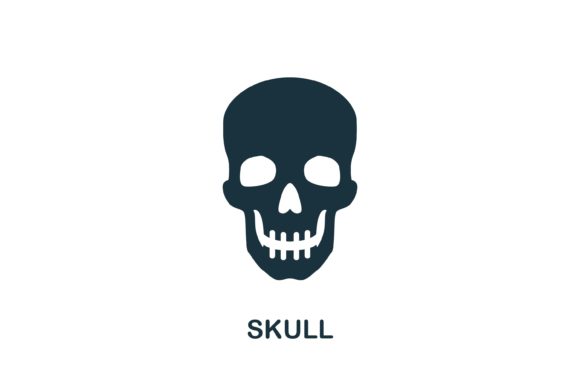
Skull icons are more than just edgy graphics—they’re versatile tools in web design, branding, and visual communication. Whether you're creating a bold logo, designing an infographic, or building a template, a well-crafted skull icon can convey strength, rebellion, or even medical relevance depending on the context. The monochrome version, especially from a professional internal organs collection, adds a clean, minimalist touch that's easy to integrate into various design projects.
But choosing and using a skull icon isn't as simple as downloading the first result you find. Many people overlook critical details that can affect how well the icon functions in their design. From file formats to scalability, there are several factors to consider before making a selection.
Common Mistakes When Choosing a Skull Icon
One of the most frequent errors is selecting a skull icon based solely on aesthetics without considering its intended use. For example, a detailed, colorful skull might look great on a music festival poster, but it won’t scale well for a favicon or mobile app icon. Simplicity often wins in digital design, especially when clarity and recognizability are key.
Another oversight is ignoring the licensing terms. Many free icons come with usage restrictions, especially for commercial projects. Always verify whether the skull icon you're downloading allows for modification, redistribution, and use in both personal and commercial contexts.
File Format Matters More Than You Think
Skull icons typically come in vector (like EPS) and raster (like JPG) formats. Vector files are ideal for scalability—meaning you can resize them without losing quality, which is crucial for logos, print materials, and responsive web design. JPG files, on the other hand, are pixel-based and may become blurry when enlarged. If you're planning to use the icon across multiple platforms and sizes, always opt for the vector version if available.
How Poor Choices Impact Design Quality
Using a low-quality or inappropriate skull icon can hurt the overall professionalism of your project. For instance, using a cartoonish skull in a serious healthcare infographic might confuse your audience or undermine your message. Similarly, choosing an icon that doesn’t align with your brand’s visual language can create inconsistency and weaken brand recognition.
Also, icons that aren’t optimized for web use can slow down page loading times, especially if they’re large or improperly compressed. This affects user experience and SEO performance, since search engines penalize slow-loading pages.
Practical Tips for Choosing the Right Skull Icon
- Define the purpose: Is the icon for branding, navigation, or data visualization? Each use case may require a different style.
- Check the file type: Vector formats like EPS or SVG are best for flexibility and scalability. JPG is acceptable for quick previews but not for high-quality use.
- Verify licensing: Ensure the icon can be used in your specific context, especially if you're planning to modify or sell it as part of a product.
- Test scalability: Zoom in and out to see if the icon remains clear. A good icon should look sharp at any size.
Using Skull Icons Effectively in Design Projects
Skull icons can be surprisingly versatile. In medical design, a stylized skull from an internal organs collection can serve as a symbol for anatomy or warning signs. In fashion or branding, a minimalist monochrome skull adds a modern, edgy vibe. The trick is to match the icon’s style with your project’s tone and audience.
For example, a tattoo studio might use a detailed, artistic skull icon across its website and social media to reflect its aesthetic. Meanwhile, a health and safety website might use a simplified, clinical-style skull to represent danger or caution. Context is everything.
How to Avoid Miscommunication with Visual Symbols
Icons are meant to simplify communication, not confuse it. A common mistake is using a skull icon in a way that contradicts its typical meaning. For instance, using a skull to represent something positive without additional context can lead to misunderstandings. Always consider cultural associations and ensure the icon supports your message rather than distracts from it.
If you're using a skull in a non-traditional way, such as in a playful or abstract context, make sure it’s clearly supported by surrounding text or design elements to avoid confusion.
Where to Find High-Quality Skull Icons
There are countless websites offering skull icons, but not all are created equal. Reputable marketplaces like Adobe Stock, Shutterstock, and Vecteezy offer professionally designed icons with clear licensing terms. Always read the fine print before downloading, especially if you're using the icon for a client or commercial product.
If you're looking for a skull icon from a medical or anatomical collection, ensure the source is credible and the illustration is anatomically accurate. This is especially important for educational or healthcare-related projects where precision matters.
Final Checklist Before Downloading a Skull Icon
- Is the icon available in both vector and raster formats?
- Can it be resized without losing quality?
- Does the license allow for commercial use and modification?
- Is the style appropriate for the project’s tone and audience?
- Does the icon clearly communicate the intended message?
By asking these questions, you'll ensure that the skull icon you choose enhances your design rather than hinders it. The right icon should be easy to use, visually consistent, and legally sound.
Conclusion: Make Your Design Stand Out with the Right Skull Icon
A skull icon is more than a visual element—it's a tool that, when used correctly, can elevate your design and communicate your message effectively. Whether you're building a website, creating a logo, or designing an infographic, taking the time to choose the right icon will save you from headaches down the line. With options like EPS and JPG files available, and a variety of styles to choose from, there's a skull icon that fits your project perfectly—just make sure to use it wisely.